
One of the most important distinctions in GCC e-invoicing is that the UAE model should not be described as a copy of Saudi Arabia’s clearance process.
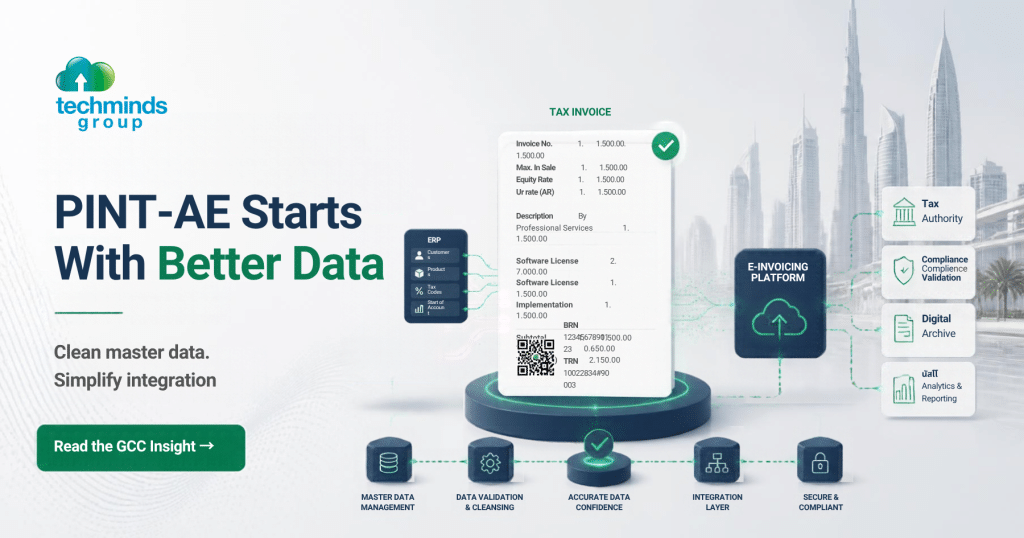
In the UAE framework, the supplier sends invoice data from its system to its Accredited Service Provider. That ASP validates the data, converts it to the UAE XML standard where necessary, and sends the electronic invoice to the buyer’s ASP. In parallel, tax data is reported to the Federal Tax Authority. The buyer’s ASP validates the electronic invoice and passes it to the buyer while also completing its reporting responsibilities.
Why does this matter to a finance leader? Because the failure points and controls are different. The business needs reliable ASP-to-ASP exchange, correct Peppol participant information, complete PINT-AE invoice data and clear handling of validation failures and confirmations. Describing everything as “government clearance” can lead teams to design the wrong operational assumptions.
The UAE also differs in other details that are easy to blur: electronic invoices are XML and do not use QR codes or barcodes; B2B and B2G business transactions are in scope while supplies to consumers are currently outside the e-invoicing scope.
The best implementation teams therefore start with the official data flow, then map the company’s order-to-cash and procure-to-pay processes to it. The technology follows the legal and operational model, not the other way around.
For Techminds, that means designing the ERP-to-ASP integration and exception workflow around the UAE model itself — not recycling a KSA architecture with different labels.